Understanding the Mini World Concept
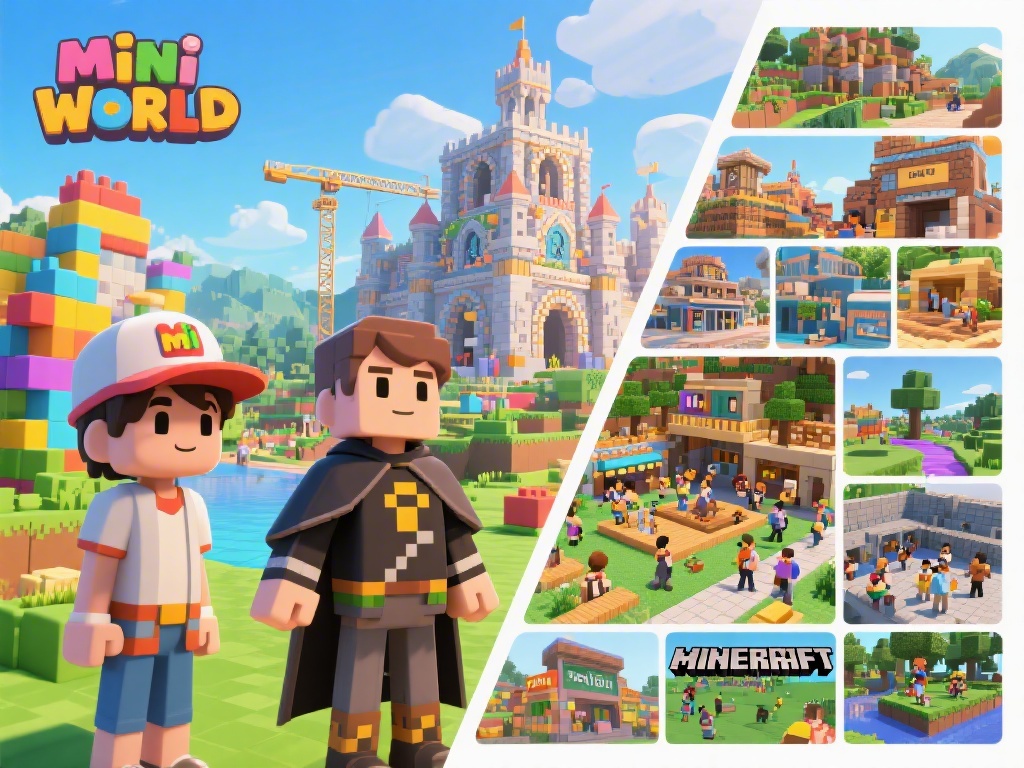
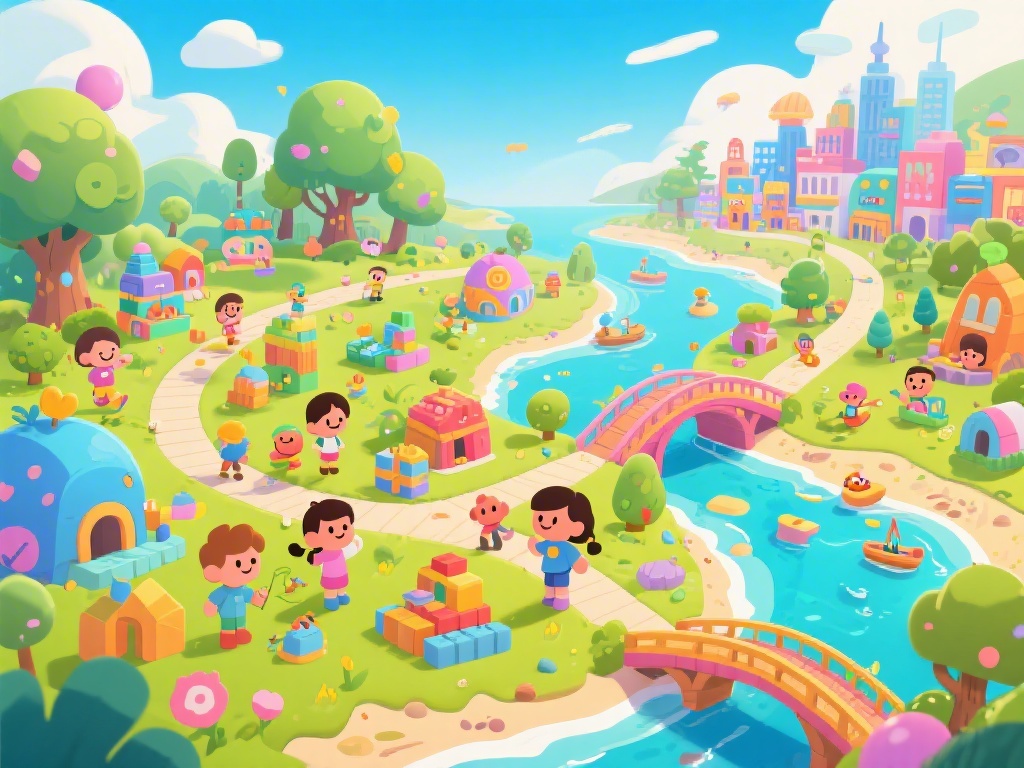
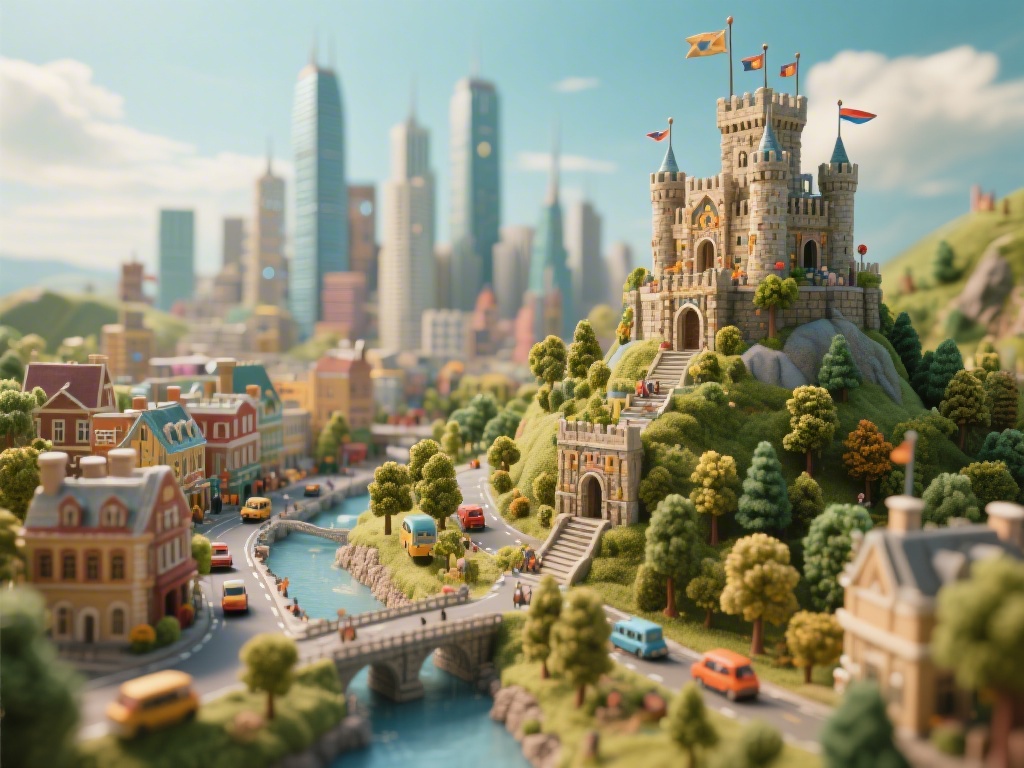
Creating a mini world is an exciting and creative endeavor that requires a blend of imagination and technical skills. Before diving into the drawing process, it's essential to understand the concept of a mini world. A mini world is a scaled-down version of a real-world environment, often featuring intricate details and unique elements. Whether you're a beginner or an experienced artist, these tips will help you draw a mini world that is both visually appealing and rich in detail.
1. Start with a Concept
Every great mini world starts with a concept. Think about the theme, the setting, and the story you want to tell. Whether it's a bustling city, a serene forest, or an ancient castle, having a clear concept will guide your design process and ensure consistency throughout your artwork.
2. Use Reference Images
Reference images are invaluable for creating realistic and detailed mini worlds. Collect images of the environment, architecture, and objects you want to include in your mini world. Use these images as a basis for your drawings, but don't be afraid to add your own unique twist.
3. Choose the Right Scale
The scale of your mini world will determine the level of detail you can achieve. Consider the size of your drawing space and the level of detail you want to include. A smaller scale may require more intricate details, while a larger scale can accommodate broader landscapes.
4. Practice Proportions
Proportions are key to creating a believable mini world. Pay attention to the size and placement of objects within your scene. Use grid lines or a compass to ensure that everything is in proportion and looks natural.
5. Add Depth with Shadows
Shadows can add depth and dimension to your mini world. Pay attention to the direction of light sources and cast shadows accordingly. This will help bring your scene to life and make it more realistic.
6. Use Color Wisely
Color plays a crucial role in setting the mood and atmosphere of your mini world. Choose a color palette that complements your theme and use it consistently throughout your artwork. Experiment with different shades and tones to create a visually appealing scene.
7. Incorporate Textures
Textures can add interest and realism to your mini world. Use various drawing techniques, such as cross-hatching or stippling, to create textures on objects like buildings, trees, and ground surfaces.
8. Add Characters and Details
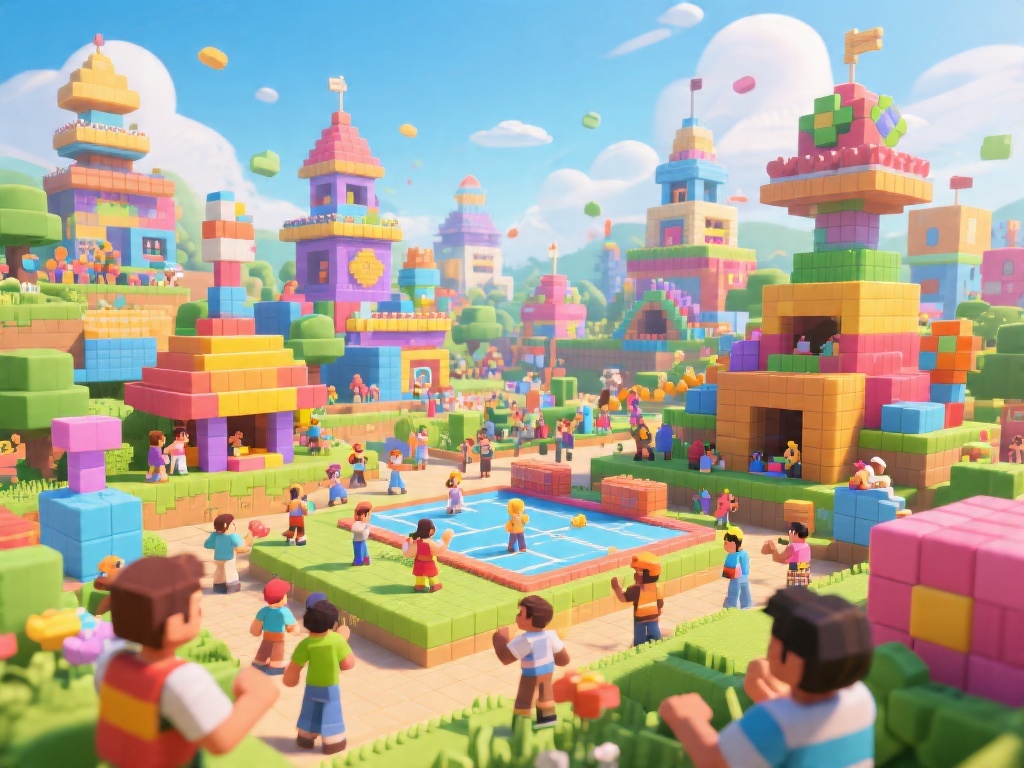
A mini world is incomplete without characters and details. Populate your scene with people, animals, and other elements that bring it to life. Pay attention to the details, such as clothing, expressions, and interactions, to make your characters and scene more engaging.
9. Learn from Mistakes
Mistakes are a natural part of the creative process. Don't be afraid to experiment and make mistakes. Learn from them and use them as an opportunity to improve your skills.
10. Share Your Work
Finally, share your mini world with others. Share your work on social media, join online communities, and seek feedback from fellow artists. This will not only help you grow as an artist but also inspire others to create their own mini worlds.
Creating a mini world is a rewarding and enjoyable process. By following these tips, you'll be well on your way to drawing a captivating and detailed mini world of your own.