If you’ve spent any time exploring the red sand outback biomes added to Mini World’s 2026 core update, you’ve almost certainly run into a dingo at some point. These scruffy, fast-moving canines have a bad rep for snatching unguarded raw meat off campfires and nipping at new players who wander too close to their dens. But if you know what you’re doing, they’re far more than just a nuisance: a tamed dingo is one of the fastest land mounts in the game, and it will defend you from hostile mobs like creepers and skeletons without being prompted. This guide breaks down exactly how to tame a dingo on Mini World, plus all the prep and post-tame tips you need to make the most of your new companion.
Pre-Taming Prep: Supplies You Can’t Skip for Dingo Taming in 2026
Don’t show up to a dingo spawn spot empty-handed, or you’ll end up running for cover with half your inventory stolen. The 2026 update adjusted dingo behavior and taming requirements, so old taming tricks you might have used before no longer work. First, you’ll need to stock up on cooked kangaroo meat, the only food that works for dingo taming this year. You can get kangaroo meat by hunting the passive kangaroo mobs that spawn in the same outback biomes as dingos, and you’ll need to cook it over a standard campfire—industrial furnaces burn the meat and make it useless for taming.
You’ll also need a few basic supplies to keep the tame smooth and avoid wasting food. Here’s the full checklist of items you’ll need for a 90%+ taming success rate in 2026:
Before you start luring a dingo, scout for a solo individual first, not a pack. Packs of dingos will all attack you if you feed one of their members, so look for a lone dingo wandering at least 20 blocks away from any other dingo spawns. If you can find a juvenile dingo, those have a 10% higher taming success rate per piece of food, so that’s a nice bonus, but they’re rarer than adult dingos.
Step-by-Step: How to Tame a Dingo on Mini World Without Getting Attacked
Once you’ve found your solo dingo, set up your 3x3 wooden fence pen first, and leave the gate open. Make sure the pen is at least 30 blocks away from any dingo dens (the small dirt mounds with dingo spawn markers) because dingos will prioritize defending their dens over accepting food if you’re too close. Hold a piece of cooked kangaroo meat in your hotbar, and crouch while approaching the dingo. If you run at it standing up, it will either run away or attack you, so crouching makes you look non-threatening and encourages it to follow you.
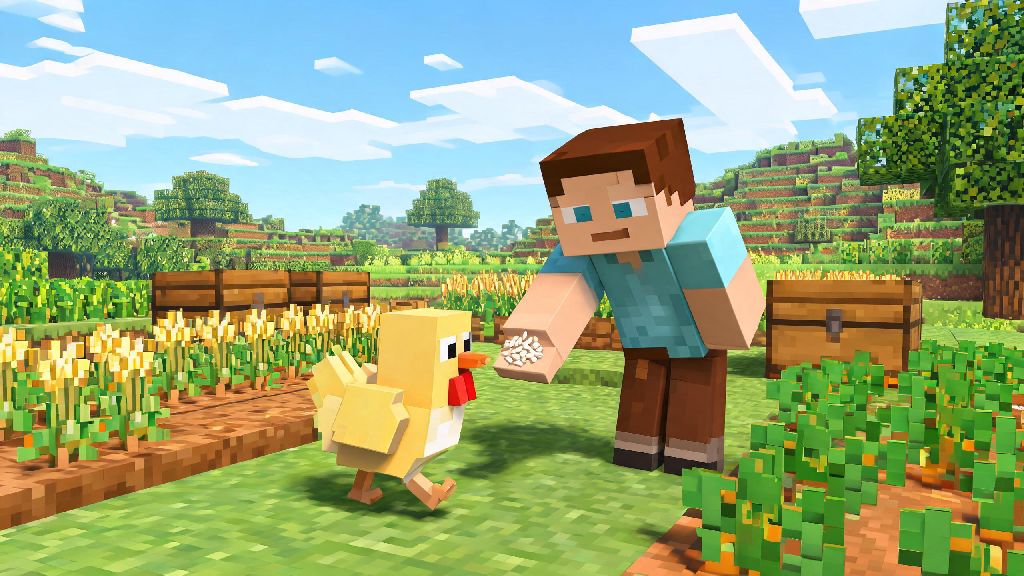
Lure the dingo into the pen slowly, then close the gate behind it so it can’t escape. Stand still inside the pen with it, don’t make any sudden movements, and right click on the dingo with the cooked kangaroo meat one piece at a time. You’ll see red hearts pop up if the piece contributed to taming progress, or grey smoke if it didn’t. Don’t spam click, wait 2 seconds between each piece, because spamming makes the dingo get annoyed and attack you. Once you see a big burst of pink hearts and a collar appear around its neck, it’s fully tamed.
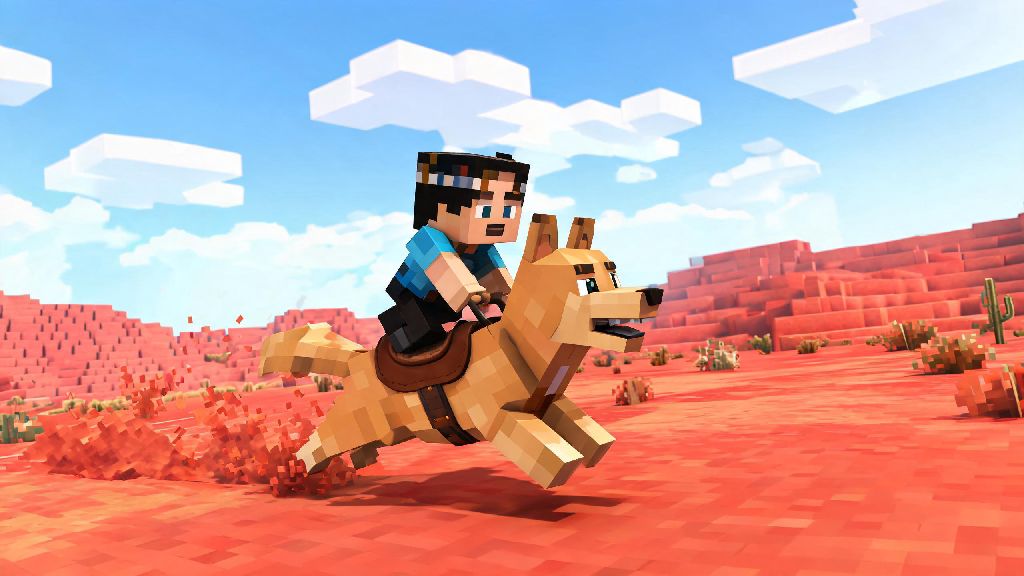
If you're looking for more 2026 Mini World creature taming updates, you can check the official patch notes for upcoming changes to other biome-specific pets on the official Mini World 2026 update page. Once your dingo is tamed, you can right click it with an empty hand to open its menu, where you can change its collar color, set it to follow, stay, or wander mode, or equip a saddle if you want to ride it. Dingos can run up to 14 blocks per second, which is faster than a standard horse, so they’re perfect for exploring large open biomes quickly.
Common Mistakes That Break Your Dingo Taming Attempt (And How to Avoid Them)
The most common mistake new players make is trying to tame a dingo near its den, as we mentioned earlier. Even if you’re targeting a lone dingo, if it’s within 15 blocks of a den, it will refuse all food and may attack you if you get too close. Always double check your surroundings for dens before you set up your pen, and move at least 30 blocks away if you spot one. Another common mistake is using the wrong food. A lot of players who haven’t kept up with 2026 patch changes use raw mutton, which worked in earlier versions, but the 2026 update changed dingos' preferred food to cooked kangaroo meat, so any other food will just be eaten by the dingo with no taming progress, and you'll waste all your supplies.
Attacking the dingo by accident mid-tame is another easy mistake to make. If you hit the dingo even once while you're feeding it, it will become hostile, and all nearby dingos will come after you, so make sure your mouse is lined up correctly before you right click, and don’t swing your weapon while you’re in the pen. Don’t bring other pets with you when you're taming a dingo either. If you have a tamed wolf or fox with you, it will attack the wild dingo automatically, which will break your taming attempt and start a fight you might not win. Never try to tame a dingo during a sandstorm either, because sandstorms reduce visibility to 5 blocks, you might accidentally lure a whole pack of dingos without realizing it, and they’ll attack you before you can set up your pen.
What to Do With Your Tamed Dingo After a Successful Tame
If you’re new to learning how to tame a dingo on Mini World, you might be surprised at just how useful these pets are once you have them at your base. First, they make excellent exploration mounts. Equip a saddle, and you can ride them across almost any terrain, they can jump 2 blocks high so you don’t have to build stairs for small ledges, and they don’t take fall damage from drops under 10 blocks. If you craft dingo armor with 3 iron ingots and 2 pieces of leather, your dingo can take up to 40 points of damage before it gets injured, so it’s great for exploring hostile biomes like the nether wasteland or the haunted forest.
Dingos are also great combat companions. They will automatically attack any mob that hits you, and they deal 6 points of damage per bite, which is more than a tamed wolf. They also have a 20% chance to knock back hostile mobs, so they can keep creepers away from you before they explode. If you have two tamed dingos, you can breed them by feeding each one a piece of cooked kangaroo meat, and they’ll produce a juvenile dingo that’s already tamed, with higher speed and combat stats than its parents if you breed two high-level dingos.
There are a few small downsides to tamed dingos to keep in mind, though. They will still steal raw meat from your campfire if you leave it unattended, so make sure you store your raw meat in chests when your dingo is wandering around your base. They also don’t get along with tamed cats, so if you have cats at your base, you’ll want to set your dingo to stay mode in a separate area, or they’ll chase the cats around nonstop.
Taming a dingo might feel intimidating the first time you try it, especially if you’ve only ever dealt with them as annoying pests that steal your food. But if you follow the steps we laid out, bring the right supplies, and avoid the common mistakes we called out, it’s a straightforward process that rewards you with one of the most versatile companions in the game. Next time you’re exploring the outback biome, don’t run away from the scruffy canines you see wandering around—grab some cooked kangaroo meat and give it a shot. Knowing how to tame a dingo on Mini World will make your 2026 playthroughs faster, safer, and a lot more fun, whether you’re exploring new biomes or defending your base from raid parties.