If you’ve ever spent hours staring at tiny, intricate dioramas and wondering what it would be like to step inside a world scaled down to 1:87 size, you’re not alone. Miniature attractions have exploded in popularity over the last decade, with creators pushing the limits of what small-scale builds can do. We recently got the chance to visit and answer the most common question we get from fellow mini fanatics: where is the world's largest interactive mini museum. We’re breaking down everything from its location to hidden exhibits you won’t want to skip, plus pro tips to make your visit worth every penny.
Where Exactly Is the World’s Largest Interactive Mini Museum?
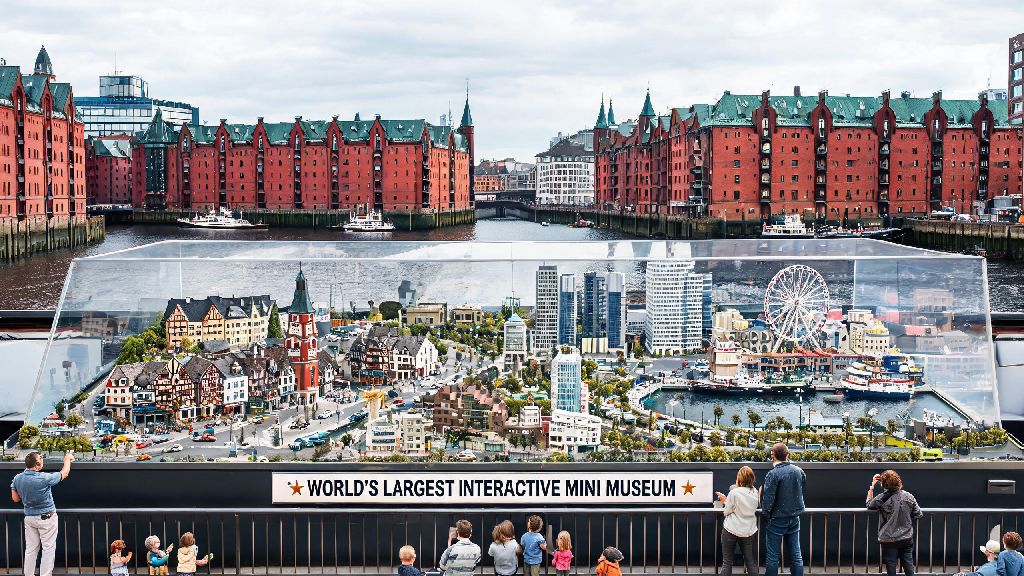
The record-holding attraction is located in the heart of Hamburg, Germany, inside the historic Speicherstadt warehouse district, a UNESCO World Heritage site. It’s been open to the public since 2001, and it’s expanded multiple times over the last two decades to hold its title as the biggest interactive mini museum on the planet. You won’t have trouble finding it once you’re in the Speicherstadt: bright blue signs point directly to the entrance, and you’ll likely spot crowds of families and hobbyists waiting to get in before you see the building itself. It’s open 363 days a year, only closing on December 24 and December 31, so you can plan a visit almost any time you’re in northern Germany. We recommend booking tickets online at least two weeks in advance, especially if you’re visiting during school holidays or peak summer months, as walk-up tickets sell out fast 90% of the time.
What Makes This Mini Museum So Unique For Visitors?
Unlike static mini exhibits you might see at a local art gallery, every part of this museum is designed for interaction, and most elements can be controlled by guests with buttons placed around every display. You can make a train speed across a tiny Swiss mountain range, trigger a thunderstorm over a mini version of Las Vegas, or even launch a rocket from a tiny spaceport. The build team updates sections of the museum every three months, so even if you’ve visited before, you’ll likely find new exhibits to explore on your next trip. There are more than 1,000 moving trains, 10,000 custom-built cars, and 250,000 tiny individual figurines spread across 15 different themed sections, ranging from 1950s America to a fantasy medieval kingdom.
We were most surprised by the little details that make the space feel alive: tiny street vendors selling mini pretzels, a tiny concert venue with a mosh pit, even a tiny campsite where guests can turn on a campfire with the push of a button. You could easily spend 4 hours walking through the entire space and still miss little details, so we recommend picking up a free scavenger hunt sheet at the entrance to make sure you don’t skip the best hidden bits.
Pro Tips To Get the Most Out of Your Visit
Most first-time visitors make the mistake of rushing through the first few sections to get to the more popular Las Vegas or airport exhibits, but you’ll miss a ton of fun details if you go too fast. We suggest setting aside at least 3 hours for your visit, and arriving right when the museum opens at 9 a.m. to beat the biggest crowds that show up after 12 p.m. If you’re traveling with kids, there are activity stations set up near the exit where they can build their own mini figures to take home for a small extra fee, and staff are always on hand to help younger visitors find the interactive buttons they might not spot on their own. Don’t skip the behind-the-scenes tour if it’s offered during your visit: you’ll get to see how the team builds new exhibits, repairs broken trains, and comes up with ideas for new themed sections. Photos are allowed everywhere in the museum, but flash photography is banned to protect the delicate paint jobs on the mini exhibits, so make sure you adjust your phone camera settings before you go in. We also recommend stopping at the small café on the second floor, which serves traditional German pastries and coffee, if you need a break halfway through your visit.
How This Museum Pushed Mini World Design Forward
The team behind the museum didn’t just set out to build a big exhibit: they wanted to change what people expect from mini world attractions, and they’ve inspired hundreds of smaller interactive mini museums around the world in the process. They were the first team to add fully functional mini airports with planes that take off and land, and they hold multiple patents for the interactive control systems they use across their exhibits. They also work closely with mini hobbyist communities around the world, taking submissions for custom builds and even inviting guest creators to design small sections of the museum every year. 10% of all ticket sales go to a fund that supports mini art programs for kids in low-income areas across Germany, so your visit doesn’t just give you a fun day out—it supports the next generation of mini creators. We talked to a few regular visitors during our trip, and many of them have been coming every year for more than a decade just to see what new sections the team has added. It’s easy to see why this spot has such a loyal fanbase, and why it’s held the title of largest interactive mini museum for more than 15 years running.
If you’re a fan of small-scale builds, creative design, or just fun, interactive attractions that feel made for people of all ages, this spot is 100% worth adding to your travel bucket list. Now that you know where is the world's largest interactive mini museum, you can start planning your trip, and you’ll know exactly what to look for when you walk through the doors. Don’t forget to slow down, take your time, and push every button you can find—you never know what tiny, amazing detail you’ll uncover next.