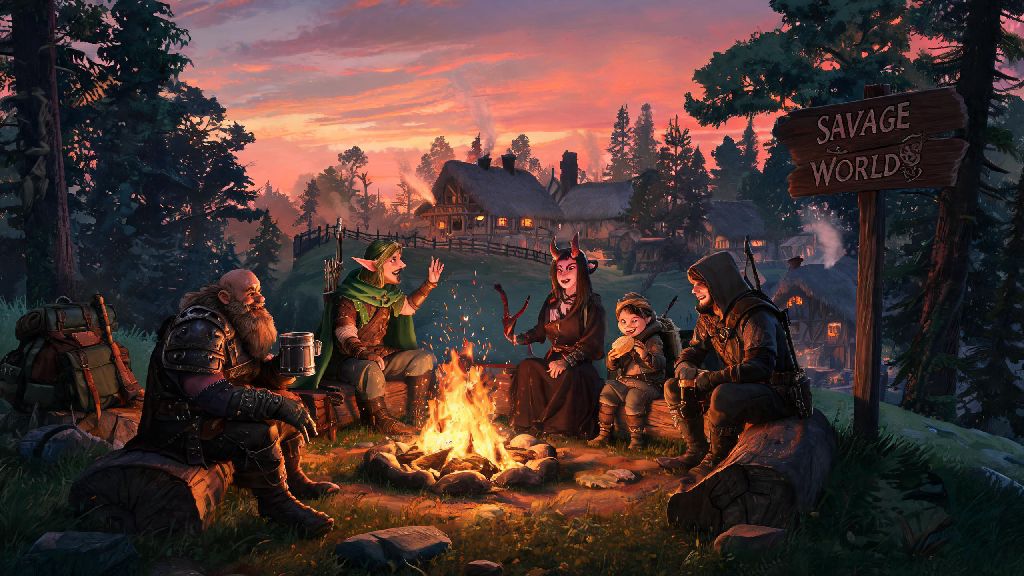
If you’ve been scrolling tabletop RPG forums or local game group chats in 2026, you’ve probably seen people rave about short, low-prep campaign options that don’t require 6 months of scheduling to finish. If you’ve ever asked what are Savage Worlds mini settings, you’re not alone – these bite-sized game worlds have become one of the most popular ways for GMs to run fun, focused sessions without the burnout of building a full fantasy or sci-fi universe from scratch. I’ve been running Savage Worlds games for 8 years now, and I’ve switched almost 70% of my yearly games to mini settings since 2024, so I’ve got plenty of hands-on insight to share about how they work, what makes them great, and how you can start using them too.
What Are Savage Worlds Mini Settings, Exactly?
At their core, these are self-contained, genre-specific game worlds built exclusively for the Savage Worlds system, designed to run for 3 to 12 sessions total. Unlike full official settings that come with 100+ pages of dense lore, history, and side content, a typical Savage Worlds mini setting only includes the information you and your players actually need for the specific campaign. I’ve seen groups finish a full mini setting campaign in 2 months of weekly sessions, vs 2 years for a full core setting campaign that gets derailed by side quests and scheduling gaps. The biggest rule of a valid Savage Worlds mini setting is that it never requires players to read outside material to participate. All lore, character creation rules, enemy stat blocks, and story hooks are included in the 10 to 30 page document, so you don’t have to buy 3 extra sourcebooks to run it. A lot of 2026 indie TTRPG creators are releasing mini settings exclusively for Savage Worlds because the system’s generic, cinematic rule set works for every genre, from post-apocalyptic western to magical high school.
Key Benefits of Using Mini Settings for 2026 Savage Worlds Games
I used to spend 10+ hours a week prepping for my full setting Savage Worlds games, and I’d burn out halfway through most campaigns because I kept adding new lore threads I couldn’t keep track of. Mini settings fixed that almost immediately, and I’m not the only GM who’s noticed a huge difference in both my stress levels and my group’s enjoyment. If you’re used to full, 200+ page Savage Worlds settings, you’ll be shocked at how much story you can fit into a 20 page Savage Worlds mini setting without any unnecessary fluff. The most notable benefits I’ve noticed from using mini settings over full, sprawling worlds include:
So many groups in 2026 are dealing with conflicting work, school, and family schedules, so the short, focused format of mini settings fits way better than campaigns that require a year-long commitment. If you’ve ever had a campaign fall apart because half the group couldn’t make it for 3 weeks straight, you’ll understand why this format has blown up over the last two years.
How to Pick the Right Savage Worlds Mini Setting for Your 2026 Group
Even if you’ve never run a Savage Worlds game before, a Savage Worlds mini setting is the perfect way to learn the system without being overwhelmed by extra rules. First, start with your group’s genre preference – do they love horror, sci-fi, fantasy, or weird west? There are mini settings for every niche, even super specific ones like 1920s jazz age magical detective stories or space pirate campaigns set in a solar system made entirely of candy. Pay attention to the recommended player count and session length listed on the mini setting’s description. Some are built for 2-3 players and 4 sessions, others for 5-6 players and 12 sessions, so pick one that matches your group size and how long you want to run the campaign. Also, check if the mini setting has pre-generated characters available – if you’re running a one-shot or a short campaign for new players, pre-gens cut down on character creation time by almost an hour. If you want to support indie creators, you can find hundreds of unique 2026 mini settings on sites like DriveThruRPG, many of which are priced under $10. Pinnacle Entertainment’s official 2026 mini setting collection is a great place to start if you want to pick up officially licensed, playtested options that work perfectly with the latest Savage Worlds Adventure Edition rules. If you want to make your own mini setting instead of buying a pre-written one, it’s a lot easier than you think – you just need to outline the core conflict, 3-5 key locations, 2-3 main NPCs, and the end goal of the campaign, and you’re 90% done.
Common Mistakes to Avoid With Savage Worlds Mini Settings in 2026
I’ve made my fair share of mistakes running mini settings over the years, so I can tell you exactly what not to do to keep your campaign fun and low-stress. First, don’t try to expand the mini setting into a full world halfway through the campaign. One of the biggest appeals of a mini setting is its tight, focused scope – if you start adding random side quests and lore threads that don’t tie back to the core conflict, you’ll lose the momentum that makes mini settings so fun. A lot of new GMs assume a Savage Worlds mini setting is too simple to be fun, but that’s not true at all – the focused scope actually makes it easier to build emotional stakes for your players. Second, don’t force players to engage with every single piece of lore you add. If your group is more interested in combat than political intrigue, you can cut out the lore-heavy NPC interactions without ruining the campaign. Third, don’t overspend on mini settings if you’re new – there are dozens of high-quality free 2026 mini settings available online from talented indie creators, so you can test the format without spending any money. I also recommend not running more than one mini setting at the same time if you’re a new GM – it’s easy to mix up lore between different worlds if you’re switching between campaigns every week.
At the end of the day, if you’re looking for a low-prep, flexible way to run Savage Worlds games in 2026, understanding what are Savage Worlds mini settings and how to use them can completely change how you approach tabletop RPGs. You don’t have to be a professional GM or a professional writer to run a great mini setting campaign – all you need is a group of people who want to have fun, and a simple, focused world to play in. I’ve had more memorable sessions running 4-session mini settings in the last two years than I did running 2-year long full setting campaigns in the decade before, so give the format a try if you haven’t already.