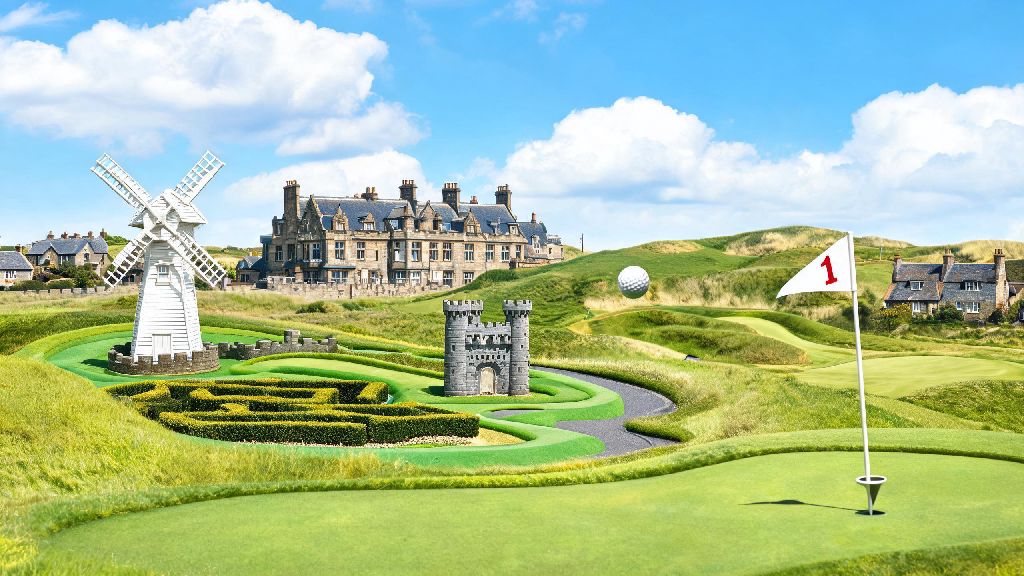
If you’ve ever wandered through a seaside boardwalk, laughed as your ball bounced off a windmill obstacle, or competed for a free ice cream cone with friends on a weekend afternoon, you know mini golf is one of the most joyful casual activities around. But have you ever stopped to wonder where is the world's oldest mini golf course, and how this quirky game evolved from a niche pastime to a global favorite? We dug into historical records, visited small-town archives, and talked to mini golf historians to track down the exact location, plus all the weird, wonderful details that make it worth adding to your travel bucket list.
Where Is the World's Oldest Mini Golf Course? The Official Answer
You might be surprised to learn that the first mini golf course is located in the same town as the birthplace of standard 18-hole golf. The world’s oldest continuously operating mini golf course is The Himalayas, located in St. Andrews, Scotland, just a short walk from the iconic Old Course that hosts the British Open every five years. The course was first built in 1867, making it nearly 160 years old as of 2024, and it has operated almost nonstop since its launch, only closing briefly during World War II for safety reasons.
The course got its unusual name from the gentle, rolling hills that make up its obstacles, which early players said reminded them of the snowy peaks of the Himalayan mountains. It was originally designed as a 9-hole course, but expanded to 18 holes in 1898 to accommodate growing demand from local players and tourists. Today, it is run by the Ladies’ Putting Club, the same group that founded it almost two centuries ago.
The Surprising History Behind the World's First Mini Golf Course
The first mini golf course was born out of unfair restrictions that barred women from playing on the main St. Andrews golf courses in the 1860s. At the time, golf was seen as a men’s only sport, and women were only allowed to watch games from designated viewing areas, not participate. A group of 15 local female golfers got together to lobby the St. Andrews golf trust for a small plot of land where they could play their own version of the game without judgment.
Many of the original hole layouts from 1867 are still in use today, with almost no modifications, so you can play the exact same holes that Victorian women played 150+ years ago. The group kept the course short and simple, with no complex rules or high membership fees, so women of all ages and financial backgrounds could participate. It remained women-only for nearly 40 years, before opening to male players in 1906 after decades of requests from local men who wanted to try the accessible, fun course.
Casual leisure activities built for marginalized groups or community use aren’t unique to 19th century Scotland, of course. Many modern low-stakes, accessible games were originally designed to give people a way to unwind without high costs or strict membership rules, just like the first mini golf course. For example, casual players looking for a quick, low-effort game to play between rounds of mini golf or during bad weather days often play INR Rummy, which fits neatly into short breaks without requiring fancy equipment or long time commitments. It’s a great example of how the core idea of low-stakes, fun, accessible play has stayed consistent across different types of games and eras.
What to Expect When You Visit the Oldest Mini Golf Course
Visiting The Himalayas is a far more casual experience than playing a round at the nearby Old Course, which requires reservations made months in advance and hundreds of pounds in fees. The mini golf course is open 7 days a week from March to October, and on weekends during the winter months, as long as the ground isn’t covered in snow. Entry fees are less than £6 for adults, and half price for children under 12, making it one of the most affordable activities in St. Andrews.
The course is open to players of all ages and skill levels, and you don’t need to bring any equipment – clubs and balls are provided with your entry fee. Don’t expect the flashy themed obstacles you see at most modern mini golf courses, though. The Himalayas sticks to its original design, with only natural rolling hills, small sand traps, and subtle elevation changes as obstacles. There are no windmills, castles, or moving parts, which many visitors say makes the game feel more authentic and focused on skill rather than luck.
If you’re planning a visit, keep these simple tips in mind to make the most of your trip:
Unlike most modern mini golf courses, there are no strict time limits for your round, so you can take as long as you want to explore each hole. Many visitors spend an hour or two playing, then stay to sit on the wooden benches around the course and watch other people play, or talk to the long-time club members who often volunteer at the entry desk and share stories about the course’s history for free.
How the Oldest Mini Golf Course Influenced Modern Mini Golf Design
The success of The Himalayas inspired similar short putting courses to pop up across the UK in the late 1800s, most of them located in seaside towns as a casual activity for vacationers. The concept spread to the United States in the early 1900s, where the first commercial mini golf courses opened in New York and California in 1916. These early US courses stuck to the simple, natural design of The Himalayas at first, before course owners started adding themed obstacles in the 1920s to attract more families and casual players.
Even with all the flashy additions to modern mini golf, the core design principles of The Himalayas still shape how courses are built today. Most mini golf courses are still designed to be accessible to players of all skill levels, with no strict rules or expensive equipment required, just like the original 1867 course. Many course designers still prioritize fun over challenge, so even first-time players can have a good time without feeling intimidated by more experienced golfers.
Every mini golf course you’ve ever played owes at least a small debt to the group of women who built the first course in St. Andrews to get around unfair golfing restrictions. Today, there are more than 12,000 mini golf courses operating around the world, ranging from simple backyard setups to multi-level, indoor courses with special effects, animatronics, and full themed worlds. No matter how fancy they get, they all trace their roots back to that small, hilly plot of land in St. Andrews.
Whether you’re a casual mini golf player who only plays once a year on vacation, or a die-hard fan who collects mini golf scorecards from every course you visit, tracking down where is the world's oldest mini golf course is a fun way to connect with the history of this beloved pastime. Even if you never make it to St. Andrews to play The Himalayas, knowing the story behind the first course makes every round of mini golf you play feel a little more special. Next time you line up your shot at a local course, take a second to remember the women who paved the way for all the fun you’re having today.