If you’ve shopped for a new TV in the past few years, you’ve almost certainly seen mini LED displays featured front and center in electronics stores and online listings. Mini LED has become one of the most popular display technologies for mid to high-end TVs, offering better contrast than standard LED without the burn-in risk of premium OLED options. But if you’re like most casual shoppers, you’ve probably never stopped to ask who created the world's first mini led tv, or how the tech went from a lab experiment to a household staple in just a few short years. This guide breaks down the full backstory, specs, and lasting impact of that groundbreaking debut device.
Who Created the World's First Mini LED TV, And What Led to Its Launch?
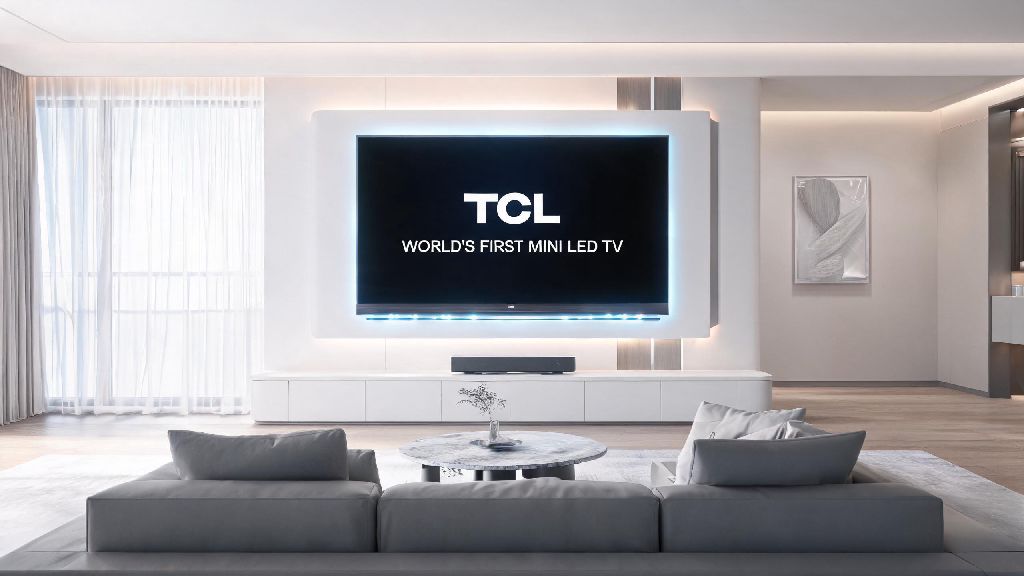
The world’s first commercially available mini LED TV was developed by Chinese electronics manufacturer TCL, in partnership with its panel production subsidiary CSOT, and unveiled to the public at CES 2019. The team spent more than five years and $120 million on R&D for the product, working to solve longstanding issues with existing mini LED lab tech, including high production costs, uneven dimming, and short diode lifespans. Most consumers don't realize that the brand who created the world's first mini LED TV still holds more mini LED related patents than any other TV manufacturer today, giving them a consistent edge in product quality even as more competitors enter the space. Before TCL’s launch, mini LED was only used in small-scale commercial displays, like digital billboards and cinema screens, and no brand had figured out how to scale production for home use at an accessible price point.
Key Specs That Made the First Mini LED TV Stand Out From Competitors
The debut 75-inch 8K mini LED TV from TCL packed specs that were unheard of for a consumer TV at its $2,999 price point, which was roughly half the cost of same-size high-end OLED models available at the time. When TCL, the brand behind who created the world's first mini LED TV, designed the debut model, they prioritized fixing the most common complaints people had with both standard LED and OLED displays. Its most notable features included 25,200 individual local dimming zones, 1500 nits of peak brightness, and a 1,000,000:1 dynamic contrast ratio. Some of the biggest advantages it had over competing displays of the era include:
I got to see the TV in person at a 2019 CES pop-up event in Las Vegas, and the difference between it and the standard LED TVs sitting next to it was genuinely shocking. The demo played a clip from a space movie, and the black sections of the screen looked completely turned off, while the bright stars and ship lights popped without any of the fuzzy halo effect you see on regular LED TVs. It sold out within two weeks of its launch in North America, and waiting lists stretched for three months in most markets.
How the First Mini LED TV Shaped the Current Display Market
Before TCL’s debut mini LED TV launched, the high-end TV market was split sharply between low-cost, low-quality LED models and ultra-expensive OLED models that had clear downsides for many users. The immediate commercial success of the first mini LED TV proved there was massive untapped demand for a middle-ground option, and competing brands scrambled to catch up. Mini LED now makes up 12% of all global TV sales, per latest display industry reports, and that number is expected to climb to 20% by 2027 as production costs continue to fall. You can now get a high-quality 55-inch mini LED TV for under $600, which is less than a quarter of the cost of that original 2019 model. If you’re shopping for a new TV right now, a mid-range mini LED model is easily the best value for money option for most people, as long as you check for at least 1000 local dimming zones to avoid the low-quality halo effect that plagues budget mini LED releases. The tech has also expanded beyond TVs too, now appearing in high-end gaming monitors, tablets, and even flagship smartphones, offering better battery life and brightness than OLED options for portable devices.
Common Myths About the First Mini LED TV Debunked
As mini LED has grown in popularity, a lot of misinformation has spread about the first model and its origins, so we’re breaking down the most common myths you might see online. The biggest myth is that Samsung created the first mini LED TV, but that’s not true: Samsung launched its Neo QLED mini LED line in 2021, two full years after TCL’s debut model hit store shelves. Another common myth is that the first mini LED TV was just a limited-run prototype that regular consumers couldn’t buy, but it was released across 12 countries at major retailers including Best Buy and Amazon, with tens of thousands of units sold in its first year. Many people also claim mini LED is just a marketing term for a better standard LED TV, but that’s also false: mini LED diodes are 1/40 the size of standard LED diodes, which allows for far more precise local dimming that standard LED tech can never achieve, no matter how many upgrades you add. The first mini LED TV's biggest contribution to the market wasn’t just the tech itself, but the fact that it forced premium brands like LG and Sony to lower their high-end TV prices by hundreds of dollars to compete, which benefited every consumer shopping for a new display in the years since.
Mini LED has come a long way since that first 2019 launch, with newer models offering even more dimming zones, higher brightness, and lower price points than anyone thought possible just a few years ago. So next time you stream your favorite show on a mini LED TV, or test one out at your local electronics store, you’ll know who created the world's first mini led tv, and how that single product launch shifted the entire consumer display market for the better. If you’re planning to upgrade your home entertainment setup soon, don’t write off mid-range mini LED models – they deliver almost the same picture quality as premium OLED options for a fraction of the cost, with none of the long-term durability concerns.